
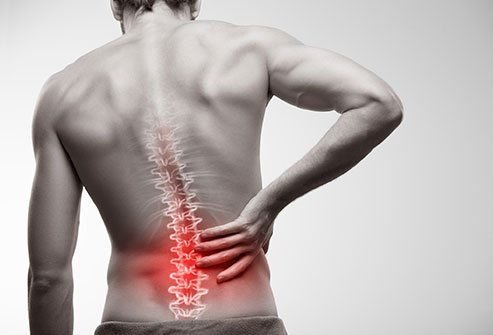
Lower back pain is one of the most common reasons people seek healthcare support or time away from work worldwide. It is also very different from upper back pain conditions. Whether it presents as a dull ache after prolonged sitting or a sharp, sudden pain that limits daily activities, lower back pain can significantly affect quality of life. Understanding why it occurs and how it can be treated plays a vital role in recovery and long-term prevention.
At iPersonal Physiotherapy, we recognise how disruptive lower back pain can be and how it may impact your work, hobbies, and everyday routine. Our experienced physiotherapists are highly trained to assess, diagnose, and treat lower back pain using the latest research and evidence-based techniques. We focus on delivering a personalised treatment plan tailored to your specific condition, goals, and lifestyle — starting with helping you fully understand your problem.
What Is Lower Back Pain?
Lower back pain refers to discomfort or pain affecting the lumbar region of the spine, an area essential for movement, stability, and load-bearing. Symptoms may be acute (short-term) or persistent (lasting longer than three months), and can vary from mild stiffness to severe pain. In some cases, pain may spread into the hips or legs depending on the underlying cause.
What Is Sciatica?
Sciatica is a term commonly used to describe symptoms that involve lower back pain combined with pain travelling down one or both legs. Although sciatica does not always occur alongside lower back pain, around 90% of cases are linked to irritation or compression of a spinal nerve, often due to a disc injury such as a prolapse or herniation.
The nerve compression is responsible for the leg symptoms, which many people find more uncomfortable than the back pain itself. It is important to note that other structures, such as joints within the spine or surrounding soft tissues, can also refer pain into the leg and mimic sciatica.
If you are experiencing symptoms like these, it is important to consult a qualified healthcare professional who can provide an accurate diagnosis and appropriate treatment plan.
Who Can Be Affected by Lower Back Pain?
Lower back pain can affect people of all ages, though it becomes more common as we get older. It is particularly prevalent in individuals who:
Spend long periods sitting or working at a desk
Perform repetitive movements or heavy lifting
Are physically inactive or deconditioned
Are overweight
Have conditions such as arthritis
In reality, most people will experience lower back pain at some point in their lives. Identifying risk factors early and addressing them can help reduce both the severity and recurrence of symptoms.
Common Causes of Lower Back Pain
Lower back pain can arise from several different factors, including:
Muscle Strain: Overuse, sudden movements, or poor lifting technique can strain muscles and soft tissues.
Disc Injuries: Changes or damage to spinal discs can irritate nearby nerves.
Arthritis: Osteoarthritis in the spine can lead to stiffness, pain, and reduced mobility.
Prolonged Positions: Long periods of sitting or standing can place stress on the lower back.
Lifestyle Factors: Reduced activity levels, excess body weight, and poor lifestyle habits can influence pain.
Mental Health: Research shows that stress, anxiety, and low mood can significantly affect pain levels and recovery.
When Should You Seek Medical Advice?
Most episodes of lower back pain improve with gentle movement, activity modification, and conservative treatment. However, you should seek professional assessment if:
Pain persists beyond a few weeks
You experience numbness, tingling, or weakness in the legs
Pain is severe or progressively worsening
Symptoms follow a significant fall or injury
In rare cases, difficulty controlling bladder or bowel function is considered a medical emergency and requires immediate assessment.
How Does Physiotherapy Help Lower Back Pain?
Physiotherapy is a highly effective, non-invasive approach to managing lower back pain. Treatment focuses on both relieving symptoms and addressing the underlying causes to reduce the risk of recurrence.
Manual Therapy
Hands-on techniques such as spinal mobilisation and soft tissue therapy can help reduce pain, improve movement, and support recovery.
Personalised Exercise Programmes
A tailored exercise plan is essential in managing lower back pain and may include:
Stretching exercises
Strength and stability training
Functional movement exercises
Regular adherence to a structured programme can improve posture, restore movement, and reduce the likelihood of future problems.
Education
Education is a key component of effective physiotherapy. Understanding your condition, learning how to manage symptoms, and knowing how to move confidently all play an important role in long-term recovery. Empowered patients are more likely to achieve positive outcomes.
Additional Therapies
Depending on your presentation, treatment may also include:
Heat Therapy: To relax tight muscles and improve circulation
Cold Therapy: To reduce inflammation and pain
Electrotherapy (e.g. TENS): To help modulate pain signals
Dry Needling or Acupuncture: To relieve symptoms and promote healing
Take Control of Your Lower Back Pain
Lower back pain can be frustrating and disruptive, but it is often highly manageable with the right physiotherapy and self-management approach. By addressing both the symptoms and contributing factors, many people are able to return to a more active, confident, and pain-free lifestyle.
Book Online Today
If you are struggling with lower back pain or sciatica, iPersonal Physiotherapy is here to help. Book an appointment today to begin your personalised recovery journey and get back to doing the things you enjoy.