
Treatment at iPersonal Physiotherapy
Hip pain can affect people of all ages and may interfere with walking, sitting, sleeping, or participating in sport and exercise. Because the hip plays a central role in weight-bearing and movement, even mild discomfort can significantly impact daily life.
At iPersonal Physiotherapy, we provide expert assessment and personalised treatment for hip pain. Our goal is to reduce pain, improve strength and mobility, and help you return to comfortable, confident movement.
What Is Hip Pain?
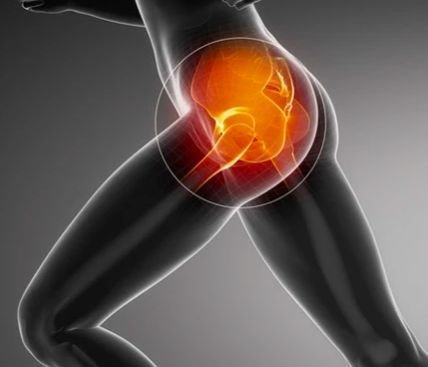
Hip pain refers to discomfort in or around the hip joint. It may be felt:
At the front of the hip or groin
On the side of the hip
In the buttock area
Radiating down the thigh
The hip joint is a strong ball-and-socket joint supported by muscles, tendons, ligaments, and cartilage. Pain can arise from any of these structures.
Common Symptoms
You may experience:
Pain when walking or climbing stairs
Discomfort when lying on one side
Stiffness after prolonged sitting
Clicking or catching sensations
Reduced range of motion
Weakness or instability
In some cases, hip pain may be linked to lower back or knee problems.
Common Causes of Hip Pain
Hip pain can develop for several reasons, including:
Tendinopathy
Irritation or overload of tendons around the hip.
Bursitis
Inflammation of the fluid-filled sacs that cushion the joint.
Osteoarthritis
Degenerative changes within the hip joint.
Muscle Strain
Overstretching or overuse of hip muscles.
Labral Irritation
Damage or irritation to the cartilage lining within the joint.
Referred Pain
Pain originating from the lower back that presents in the hip.
How Physiotherapy Can Help
At iPersonal Physiotherapy, treatment focuses on identifying the source of pain and restoring normal movement patterns.
1️⃣ Manual Therapy
Hands-on techniques can:
Improve joint mobility
Reduce muscle tightness
Decrease pain
2️⃣ Targeted Exercise Programme
A personalised rehabilitation plan may include:
Hip strengthening exercises
Gluteal muscle activation
Mobility and flexibility exercises
Functional movement retraining
3️⃣ Movement & Postural Advice
Improving walking mechanics, posture, and activity habits reduces strain on the hip joint.
4️⃣ Additional Therapies
Where appropriate, treatment may include:
Heat or cold therapy
Electrotherapy (TENS)
Dry needling
Load management strategies
Possible Conditions Linked to Hip Pain
Below are common conditions you can link under this section on your website:
Tendon-Related Conditions
Gluteal Tendinopathy
Hip Flexor Tendinopathy
Adductor Strain
Joint-Related Conditions
Hip Osteoarthritis
Femoroacetabular Impingement (FAI)
Labral Tear
Soft Tissue Conditions
Greater Trochanteric Pain Syndrome
Hip Bursitis
Piriformis Syndrome
Injury-Related Conditions
Muscle Tears
Sports-Related Hip Injury
Overuse Injuries
When Should You Seek Assessment?
Seek professional advice if:
Pain persists beyond a few weeks
Walking becomes increasingly difficult
Symptoms worsen with activity
Pain follows a fall or traumatic injury
Early physiotherapy intervention can prevent minor issues from becoming long-term problems.
Restore Strength, Stability, and Movement
Hip pain is often highly responsive to structured physiotherapy. With the right combination of hands-on treatment, strengthening, and movement retraining, many people regain comfortable mobility and return to normal activity levels.
Book Your Hip Pain Assessment Today
If you are experiencing hip pain or stiffness, iPersonal Physiotherapy is here to help. Book your appointment today and begin your personalised recovery plan.